Jamaican Food Favorites for Lunch and Dinner
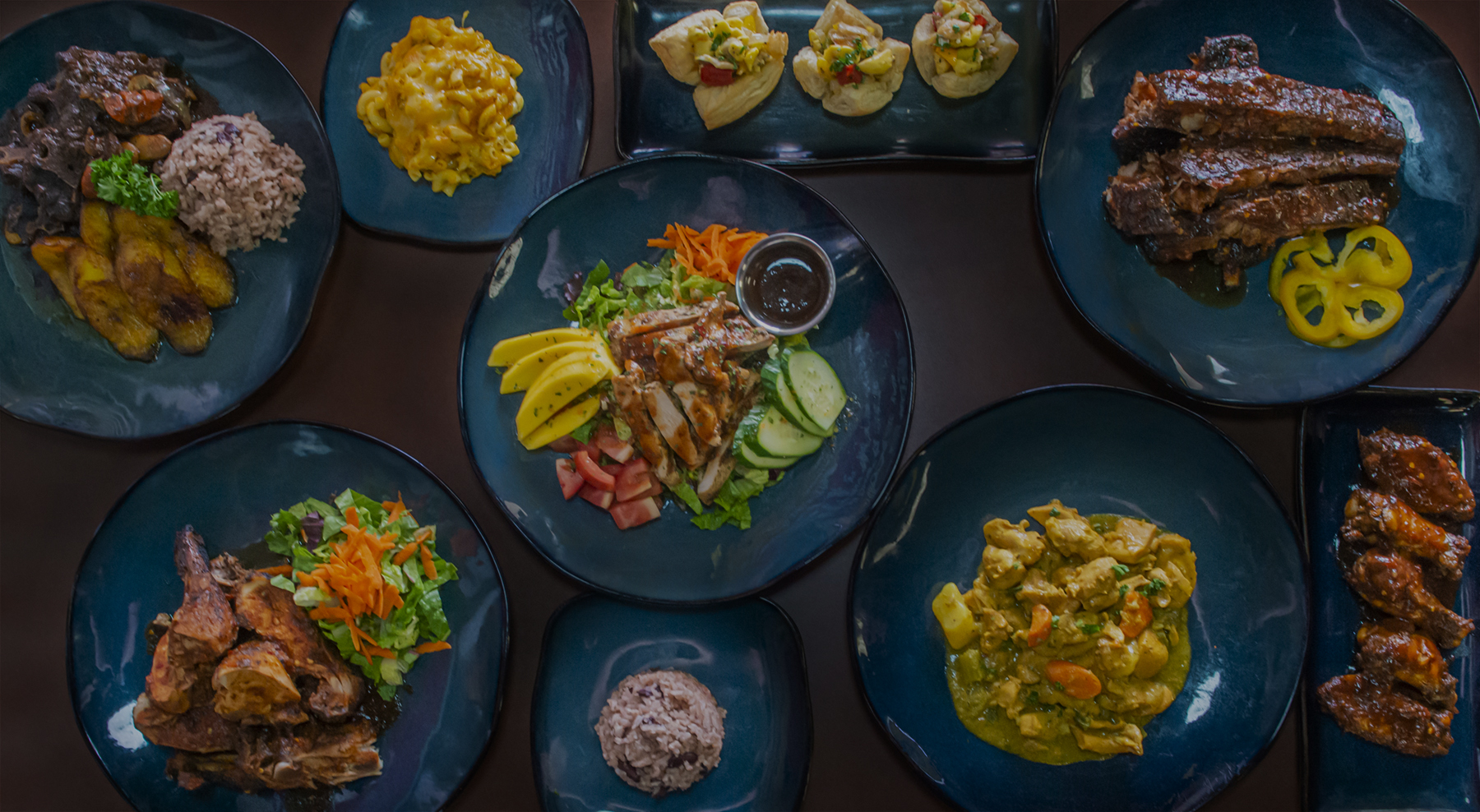
Jamaican food has a way of feeling generous before the plate even hits the table. You smell the thyme first, then the scallion, pimento, ginger, Scotch bonnet, maybe a little smoke from the grill or a deep savory note from a pot that has been going for hours. Lunch and dinner in Jamaica are rarely shy meals. They carry weight, not just in portion size, but in memory, technique, and mood. A proper plate can be fiery, earthy, sweet, peppery, and deeply comforting all at once.
What makes Jamaican food especially satisfying later in the day is its balance between bold flavor and practical nourishment. These are meals built for real appetites. They often center on slow cooking, layered seasoning, and staples that hold up well, whether that means rice and peas under a spoonful of rich gravy, festival beside a spicy main, or ground provisions that turn a meal into something steady and complete. The cuisine also rewards patience. Many of the dishes people love most are not rushed, and you can taste that.
For anyone exploring Jamaican food beyond the first stop of jerk chicken, lunch and dinner open up the full range. This is where soups become substantial, braises show their depth, and seafood, meat, vegetables, and starches all have a clear role on the plate. Some dishes are everyday staples. Others are weekend meals, celebration foods, or the kind of special order people call ahead for because they know the pot will sell out.
What defines a great Jamaican lunch or dinner
A strong Jamaican meal usually starts with seasoning, but that word undersells the process. Seasoning in Jamaican cooking often means marinating meat overnight with fresh herbs, onions, garlic, ginger, black pepper, allspice, and hot pepper, then cooking it long enough for the flavor to move past the surface. It also means respecting texture. Fried fish should stay crisp where it can. Curry should cling rather than flood the plate. Rice and peas should be distinct grains, not mush.
Another hallmark is the relationship between the main dish and the side. Rice and peas are not filler. They absorb gravy, mellow heat, and round out the meal. Fried dumpling, boiled green banana, yam, and cassava each bring something different. Plantain can soften the edges of a spicy or salty dish. Festival adds sweetness and crunch, especially next to jerk or fried fish. Good Jamaican food is rarely random. Even when the plate looks abundant, the pairings are usually deliberate.
Heat also needs perspective. Outsiders often expect every Jamaican dish to be aggressively spicy. Some are. Many are not. Scotch bonnet is central to the cuisine, but experienced cooks know when to let it dominate and when to let it perfume the dish without overwhelming it. A well-made brown stew chicken, for example, should taste more of caramelized browning, tomato, onion, and herbs than pure fire.
Jerk chicken, the dish most people know, and the one worth knowing better
Jerk chicken remains the global ambassador of Jamaican food for a reason. At its best, it delivers smoke, heat, sweetness, and spice in a way few grilled dishes can. But the real thing is more https://felixgpiy586.capitaljays.com/posts/jamaican-food-recipes-for-busy-weeknight-cooking nuanced than the sticky, overly sweet versions that turn up far from the island. Traditional jerk leans heavily on allspice, Scotch bonnet, scallion, thyme, ginger, garlic, and a smoky cooking method that gives the meat a dark, almost bark-like exterior.
The cut matters. Bone-in chicken, often leg quarters or mixed parts, holds moisture better over high heat and smoke. The marinade matters just as much. If it sits only briefly, the flavors stay on the outside. If it gets proper time, the seasoning moves inward and the finished chicken tastes integrated rather than coated.
At lunch, jerk chicken often works best with festival, bammy, or bread for a quicker meal, especially from a roadside stand where speed matters and the grill is turning out batch after batch. At dinner, it often lands beside rice and peas, steamed vegetables, or even mac and cheese in some modern Caribbean kitchens. The beauty of jerk is its flexibility. It can be casual enough to eat from foil at the side of the road and impressive enough for a full sit-down meal.
One practical note from experience: good jerk should taste smoky and spicy, not just hot. If the first thing you notice is sugar, the balance is off.
Curry goat, the celebratory classic that earns its reputation
If jerk chicken is the crowd-pleaser, curry goat is often the dish that wins lasting loyalty. Done properly, it is rich without being greasy, deeply spiced without tasting raw, and tender enough that the meat yields easily while still keeping character. Goat needs time. There is no smart shortcut around that. The reward is a curry with depth that develops from marination and slow simmering, not from dumping in more powder at the end.
Jamaican curry is distinct from Indian curry, though there is a clear historical connection. Jamaican curry powder usually carries a warmer, more toasted flavor profile, and many cooks “burn” the curry in oil at the start to wake it up before adding the meat and liquid. That step, small as it seems, changes the entire dish. It removes the chalky edge and creates a fuller base.
Curry goat shows up at Sunday dinners, family gatherings, parties, and restaurant lunch counters because it holds beautifully in the pot. In fact, it often tastes even better after the flavors settle. Spoon it over rice and peas and the gravy does half the work of the meal. Add a side of steamed cabbage or callaloo and the plate feels complete.
This is also one of the clearest examples of Jamaican food as comfort food with backbone. It is hearty and familiar, but it is never bland.
Brown stew chicken, the everyday favorite with serious skill behind it
Brown stew chicken does not always get the glamour of jerk or curry, yet in many homes and restaurants it is the dish people return to most often. The flavor starts with browning, the dark caramel liquid used to give both color and bittersweet depth, then builds with onion, bell pepper, tomato, garlic, thyme, and enough stock or water to create a spoonable gravy.
The best versions strike a specific balance. The chicken should be seasoned through, the skin should not turn rubbery, and the gravy should taste savory and slightly sweet, not burnt. There is technique involved in getting that right. Too little browning and the dish tastes flat. Too much and it turns bitter. The vegetables should soften into the sauce without disappearing entirely.
For lunch, brown stew chicken is the kind of dependable plate that satisfies without demanding attention. For dinner, it holds its own with simple sides because the gravy carries so much flavor. Rice and peas are classic, but white rice works if you want the stew to stand even more clearly. This is one of the first dishes I recommend to anyone who says they are curious about Jamaican food but wary of intense spice. It offers the style and soul of the cuisine without making heat the main event.
Oxtail, rich, glossy, and worth the wait
No Jamaican dinner conversation stays quiet for long once oxtail enters it. People have strong opinions about whether it should be falling apart or still have a little chew, whether broad beans belong in the pot, how thick the gravy should be, and whether the best version comes from a home kitchen or a restaurant steam table that has been holding it all day in its own juices.
What almost everyone agrees on is this: good oxtail takes time and should taste like time. The meat is usually seasoned, browned, then braised until the connective tissue melts into the sauce. The result is a deep, glossy gravy with serious body. Butter beans often go in near the end, where they soften just enough to absorb the broth without disintegrating.
This is not a light meal, and it should not pretend to be. Oxtail is luxurious in the old-fashioned sense, a dish that makes use of a tough cut through patience and skill. Served over rice and peas, it becomes one of the most satisfying plates in Jamaican food. It is especially popular for dinner because it asks for a slower pace. You do not rush oxtail, and you do not really rush while eating it either.
Because demand is high and the cut has become expensive in many markets, portions can vary. That has changed how some restaurants serve it, but the best places still understand that the gravy is part of the value. A sparse serving with weak sauce misses the point.
Escovitch fish and fried fish dinners
Seafood is essential to Jamaican cooking, and escovitch fish is one of the clearest examples of how brightness and heat can cut through richness. A whole fish, often snapper, is seasoned and fried until crisp, then topped with a sharp dressing of vinegar, onions, carrots, Scotch bonnet, and pimento. The contrast is the whole dish. The fish is hot and crisp, the vegetables are tart and crunchy, and the pepper keeps everything lively.
At lunch, escovitch can feel almost refreshing compared with heavier brown stews and braises. At dinner, especially with bammy or festival, it becomes more substantial. Bammy deserves more recognition here. Made from cassava, it brings a mild, slightly chewy counterpoint that soaks up juices without becoming soggy too fast. That makes it particularly good with fish.
Another common plate is simply fried fish with sides, no escovitch topping required. In that case, what matters most is freshness and timing. Fish that sits too long after frying loses the crackle that defines the dish. In restaurants that move volume, ordering fried fish during busy hours often means a better result because the kitchen is turning out plates quickly.
Ackee and saltfish, not just for breakfast
Many people outside Jamaica know ackee and saltfish as the national dish, but they often file it mentally under breakfast and leave it there. That misses part of the story. It absolutely works for lunch and, in the right portion, makes an excellent light dinner. Ackee has a soft, buttery texture that surprises first-time eaters, and saltfish brings salinity and chew. With sautéed onion, tomato, scallion, thyme, and pepper, the dish develops a gentle, savory complexity that is more restrained than many of the heartier lunch specials.
What you serve with it changes the meal. For breakfast, it may come with fried dumpling, roasted breadfruit, or boiled green banana. For lunch or dinner, those same sides still work, but a fresh salad or callaloo can keep the plate from feeling too starch-heavy. The key is salt balance. Because the cod is preserved, it needs proper soaking and boiling. If that step is rushed, the whole dish tastes one-note.
Ackee itself also requires care. It must be handled correctly and cooked just until tender. When done right, it is delicate. When overworked, it turns mushy. That line is part of why the best ackee and saltfish often comes from cooks who know the dish intimately rather than kitchens treating it as an obligatory menu item.
Pepper shrimp, rundown, and other coastal pleasures
Travel around Jamaica and you find dishes that reflect local waters and local habits. Pepper shrimp, especially associated with roadside stops like those in Middle Quarters, is one of the most memorable. Small shrimp are cooked with plenty of pepper and aromatics until they are punchy, savory, and impossible to eat just one at a time. They are often more snack than formal meal, but paired with other dishes they can turn lunch into a feast.
Rundown, often made with mackerel simmered in coconut milk with herbs, onions, and pepper, deserves more attention at dinner. The name hardly sells the comfort. The dish is rich but not heavy, deeply savory, and excellent with boiled food such as yam, green banana, and dumpling. Coconut milk changes the rhythm of a Jamaican meal. It softens the sharper edges and brings a kind of calm to the plate.
These dishes also reveal something important about Jamaican food. It is not only about meat and fire. It is also about preservation methods, local produce, the practical use of coconut, cassava, and salted fish, and the way cooks build full meals from what a place naturally offers.
Ital plates and vegetarian lunches that do not feel like compromise
Jamaican food is often discussed through meat dishes, but vegetarian cooking has deep roots, especially in Ital traditions linked to Rastafarian practice. An Ital lunch or dinner can be one of the most satisfying meals on the island when it is handled with seriousness. Pumpkin stew, lentils, callaloo, okra, coconut rice, steamed cabbage, and provisions can come together in a way that feels complete rather than assembled for dietary necessity.
The common mistake in weaker vegetarian Caribbean cooking is trying to imitate meat too directly. The stronger approach builds flavor from coconut milk, fresh herbs, garlic, ginger, scallion, thyme, and careful cooking of vegetables until they retain some structure. Callaloo, for example, should stay vibrant and silky, not collapse into dullness. Red peas soup, though often made with meat, can also become a hearty plant-based meal when built with enough body from legumes and ground provisions.
For lunch, an Ital plate offers stamina without the heaviness some people feel after richer braises. For dinner, it can be restorative, especially if the day has already included one indulgent meal. This is where Jamaican food shows range and restraint.
Patties can bridge lunch, but they are not the whole story
A Jamaican patty belongs in any honest discussion of everyday eating, even if it lives somewhere between snack and meal. On a busy day, two patties and a drink may well become lunch. A patty tucked into coco bread turns portable food into something more substantial. But for dinner, patties rarely stand in for the fuller experience of Jamaican cooking unless they are part of a larger spread.
The best patties have a flaky crust with a distinct yellow hue, usually from turmeric or curry, and a filling that remains moist without becoming soupy. Beef is the standard, but chicken, vegetable, shrimp, soy, and ackee versions all show up. Spice level varies more than many people expect.
If you are new to Jamaican food and ordering from a restaurant with a broad menu, these are the lunch and dinner dishes most likely to give you a true sense of the cuisine:
- Jerk chicken, for smoke, heat, and the unmistakable pimento backbone.
- Curry goat, for slow-cooked depth and a gravy that earns a mound of rice.
- Brown stew chicken, for balance and everyday comfort.
- Oxtail, for richness and one of the most satisfying sauces in the Caribbean.
- Escovitch fish, for crisp texture and bright acidity.
That said, the context matters. A frozen supermarket patty and a charcoal-grilled jerk chicken from a roadside pan are both Jamaican food, but they speak in very different voices.
The sides that make the meal complete
A plate of Jamaican food can stand or fall on its sides. Rice and peas, despite the name, usually means rice cooked with kidney beans or gungo peas, coconut milk, thyme, scallion, and spices. When done well, it smells as good as many main dishes. White rice has its place too, particularly under assertive gravies where you want the sauce to dominate.
Festival, sweet and lightly crisp, is one of the most effective companions to spicy mains because it cools the mouth and adds textural contrast. Fried dumpling is denser and more savory. Bammy, often underrated, performs especially well with fish because of its absorbency. Boiled provisions such as yam, green banana, and dumpling are hearty and grounding, ideal with soups, rundown, or stewed fish. Plantain offers sweetness, though a good cook will avoid frying it so hard that it loses its soft center.
There is also a practical lesson here for home cooks and diners alike. If a Jamaican meal feels unbalanced, it is often not the main dish alone. The side may be wrong for it, or the portioning may be off. Too much starch with a mild main can feel monotonous. Too little starch with a peppery dish can leave the heat feeling sharp rather than rounded.
Ordering well at a Jamaican restaurant
Jamaican restaurants vary widely, from lunch counters with steam trays to specialist jerk spots, fish shacks, and more polished dining rooms. Knowing how to order helps.
A few habits improve the odds of getting the kitchen at its best:
- Ask what sold fastest that day, because turnover usually means freshness.
- Order braised dishes like oxtail or curry goat early if the restaurant is known to run out.
- Match sides thoughtfully, choosing bammy with fish or rice and peas with gravy-heavy mains.
- Clarify spice level if you are sensitive, but understand that flavor and heat are often intertwined.
- If a place specializes in one item, trust that specialty before chasing variety.
One thing experienced diners learn quickly is that Jamaican food can be highly regional and personal. One cook's curry goat may be darker, another's more turmeric-forward. One jerk pit may lean smoky and dry, another wet and fiery. A fish spot by the coast will often outshine an inland restaurant on seafood simply because supply is different. These are not flaws. They are part of the cuisine's living character.
Why these dishes stay with people
Lunch and dinner favorites in Jamaican food endure because they meet several needs at once. They comfort without turning dull. They carry history without becoming museum pieces. They welcome appetite. Just as important, they leave room for the cook's hand. Two plates of brown stew chicken can follow the same broad tradition and still taste unmistakably different. That individuality matters.
There is also honesty in these meals. They do not hide their ingredients or their method. Smoke tastes like smoke. Pepper tastes like pepper. Coconut tastes like coconut. A good curry announces itself from across the room. A proper fish fry crackles under the fork. A pot of oxtail gives back every hour invested in it. Even the simpler meals, a patty at midday, ackee and saltfish with boiled banana, stew chicken over rice, reflect a cuisine that values depth over decoration.
For anyone looking to understand Jamaican food through lunch and dinner, the smartest approach is to eat across categories. Try the grilled dishes and the braises, the seafood and the Ital plates, the celebratory foods and the daily standards. Pay attention to the sides, the gravies, and the rhythm of the meal. The favorites are not favorites by accident. They have earned that status through repetition, family loyalty, street-side reputation, and the simple test that matters most: people crave them again the next day.
Reggae Pot Jamaican Grill
7562 S University Blvd C, Centennial, CO 80122
(303) 997-5623
FAQ About jamaican food
What is the best Jamaican food to try in Centennial?
The best choice depends on your preferences. Reggae Pot Jamaican Grill offers jerk chicken, curry goat, oxtail, and escovitch snapper, along with sides such as rice and peas and fried plantains. Ask the restaurant about current availability and spice levels before ordering.
Is Jamaican food very spicy in Centennial?
Heat varies by dish and preparation. Jerk dishes can be hot, while some stews and sides are milder. Tell the restaurant your preferred heat level and ask which options suit you.
What is typically on a Jamaican menu?
Common choices include jerk chicken, curries, oxtail, fish, patties, rice and peas, and plantains. Reggae Pot also lists ackee and saltfish and vegetable dishes. Menus and availability can change, so confirm your choices when ordering.